
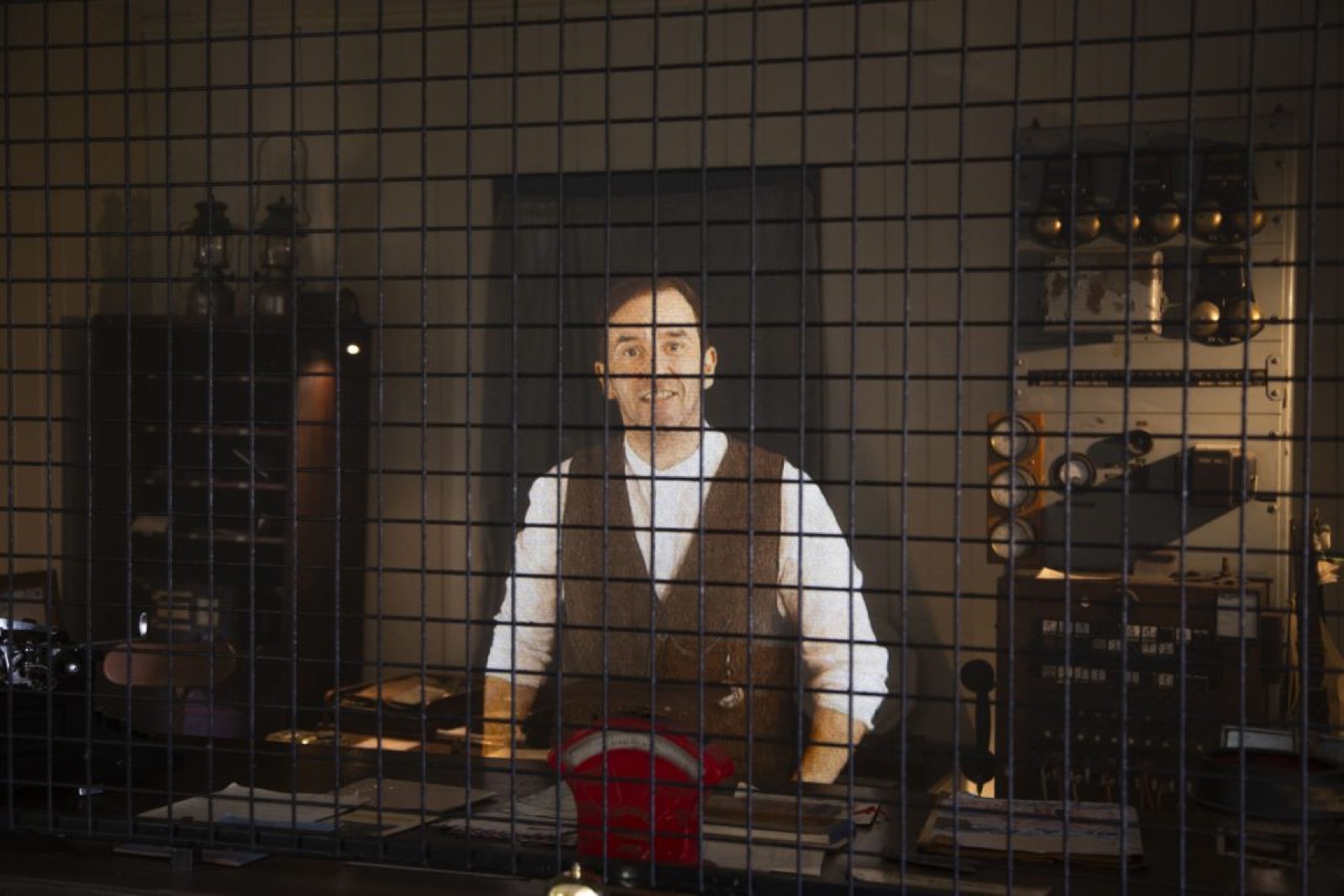
Caboolture Historical Village is the place we send guests to first when they ask us what’s actually worth doing locally. It’s a four-hectare living-history site at 280 Beerburrum Road with more than seventy heritage buildings, around 110,000 museum pieces, a working dairy, a model railway and steam train rides on weekends. From the motel it’s a five-minute drive, and you can comfortably spend half a day there without rushing. The Caboolture Historical Village is run by the Caboolture Historical Society, a not-for-profit, and the entry fee keeps it open. We’ve put this guide together for guests staying with us who want a planned-out half-day rather than wandering in cold.
What it actually is
The Village is not a museum in the conventional sense. It’s a built-out heritage precinct, with buildings relocated, restored or reconstructed to show what life around Caboolture and the Moreton Bay region looked like from the late 1800s through the mid-1900s. Schools, churches, a hospital ward, a barber shop, a bank, a print works, a slab hut, the Old Caboolture Police Station, a butcher shop, a blacksmith, a saddlery, a wheelwright, dairies and farm buildings. Each one is set up internally with period furniture, fittings and signage, so you walk in and the room is more or less as it would have been used.
The maritime museum on-site is one of the surprises. It holds boats, navigation equipment and a collection of items from Queensland’s pearling and fishing industries, which most first-time visitors don’t expect to find this far inland. The wireless museum holds working radios and broadcasting equipment going back to the 1920s. The transport collection runs from horse-drawn carts to early petrol vehicles. The model railway is a working layout, scaled to room size, with detailed Queensland scenery, and the volunteers who built it are usually on-site if you have questions about the gauges or the rolling stock.
Opening hours and entry
The Village is open seven days a week, 9am to 4pm, including most public holidays. Last entry is generally an hour before close, so aim to arrive by 2pm at the latest if you want to see most of it. Entry at the time of writing is around twenty dollars for adults and twelve dollars for children, with discounts for concessions and family tickets. Up-to-date prices are on the Caboolture Historical Village website. Cash and card both work at the gate.
The site is largely open-air with shaded sections, so check the forecast. In March, expect mid-twenties to low thirties and the occasional summer-tail thunderstorm in the late afternoon. A morning visit, 9am to 1pm, is the most comfortable window. Bring a hat and water; the on-site tea room sells drinks and basics if you forget.
Train rides on weekends
This is the thing parents tend to ask about first. The miniature train rides run on Saturdays and Sundays from around 10am, weather permitting. They’re a short loop on a dedicated track through part of the Village grounds, and the cost is a few dollars per ride on top of general admission. Volunteer drivers run them. School holidays usually see additional running times.
The full-size steam locomotive is a static display rather than a working ride, but it’s worth a look. The model railway runs daily and is included in general admission.
The working dairy and the school
The dairy is one of the few buildings on the site set up for active demonstrations. On scheduled days, volunteers run cream-separator demonstrations and show how butter was churned in the early 1900s. The dates vary across the year and are listed on the Village’s events calendar. Even on non-demonstration days, the dairy is set up well enough to read what was going on.
The schoolhouse is the other building most kids respond to. Slate boards, ink wells, period readers, and the kind of stern blackboard rules that make for a good photo. The volunteers who run the school sessions on event days are generally retired teachers and don’t break character.
How to plan the visit from the motel
A half-day works best. From the motel at 1 Lower King Street, Caboolture Historical Village is around 5 to 7 minutes by car heading south on King Street, then onto Beerburrum Road. Free parking on-site. If you want to combine it with breakfast, Gather and Feast on James Street is the highest-rated cafe in town and a good fifteen-minute pre-village stop. Breakfast at 8am, in the Village by 9.30am, out by 12.30pm with a coffee and a bag of jersey caramel from the tea room. You’ll be back at the motel pool by 1pm.
If you’re treating it as part of a longer day, Centenary Lakes Park is a five-minute drive and free, with playgrounds, BBQs and an eighteen-hectare walking circuit on the Caboolture River. Caboolture Country Markets run every Sunday from 6am to midday at the showgrounds next door, with 500-plus stalls and 25 food vendors. A market-then-village run on a Sunday is one of the longer-stay itineraries we suggest.
Practical notes for guests
- Wheelchair access on most buildings; some heritage buildings are step-up only. Call ahead if mobility is a factor.
- Toilets and a tea room are on-site.
- Photography is allowed throughout. Tripods on busy days are best avoided.
- Volunteer-run events (rare-trades demos, model railway open days, vintage car gatherings) happen across the year. The events calendar on the Village website lists them.
The Caboolture Historical Village isn’t trying to compete with theme parks. It’s a quietly run, volunteer-maintained heritage precinct that gets richer the closer you look. If you’re staying with us for two or more nights, it’s the half-day we’d suggest first. If you’ve got kids in the car who’ve been on the highway for hours, the train rides and the model railway alone are worth the entry.
Stay a few minutes from the Village and book direct. We’ll point you to the rest.
Image credit: Caboolture Historical Village, Caboolture